- Written by Ataullah Wali
Introduction: Why Cloud Dependency Risk Deserves Attention
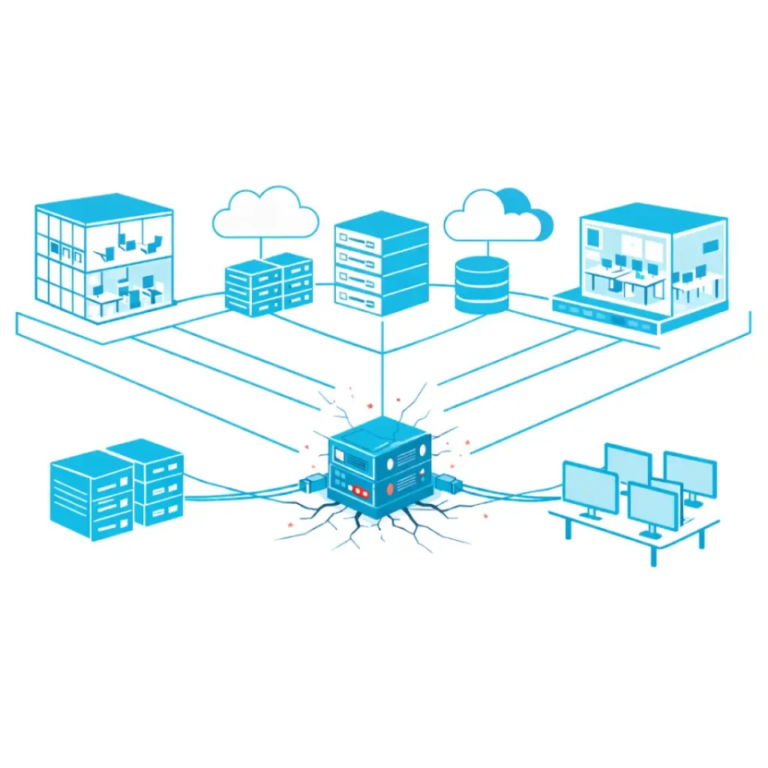
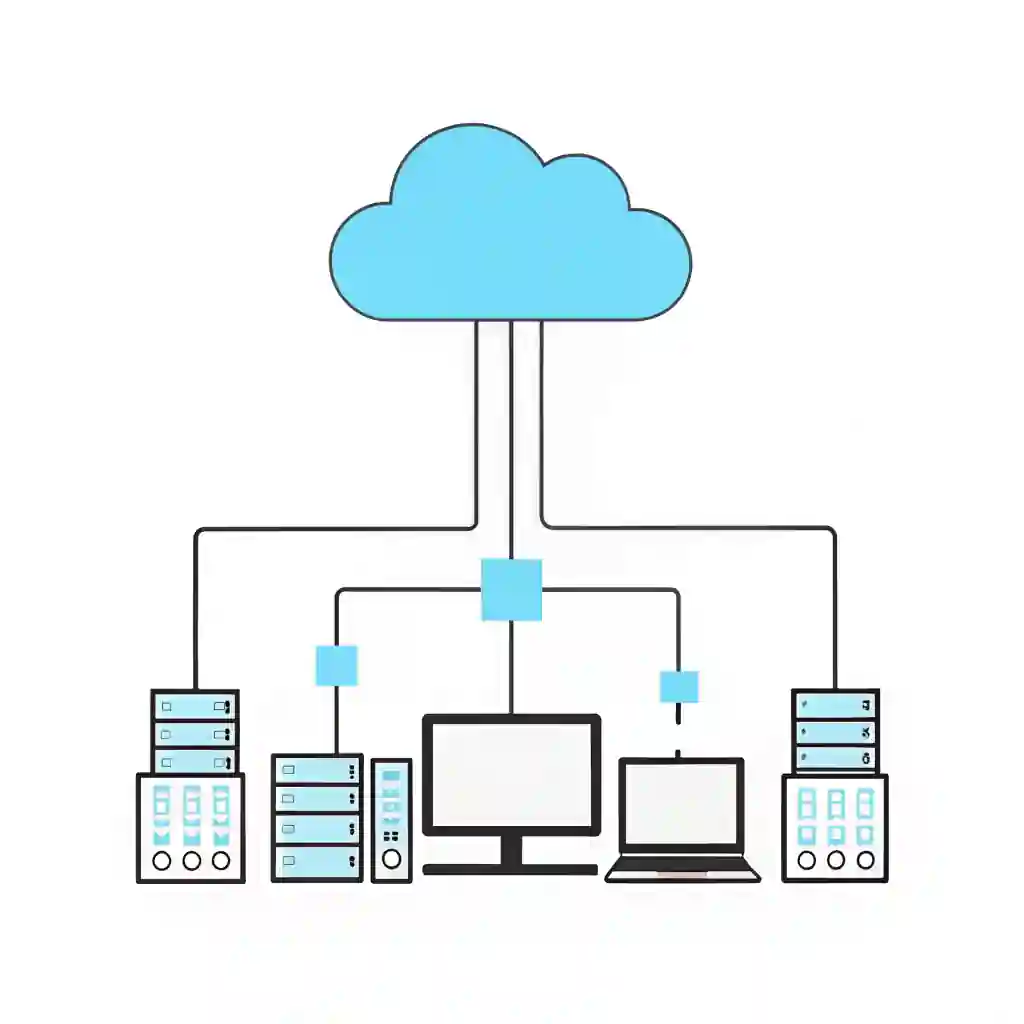
Cloud dependency risk is the hidden danger that builds when a business becomes too reliant on one cloud platform for its systems, data, and day-to-day operations. It often grows quietly, driven by convenience rather than strategy, until an outage, contract change, or technical limitation brings everything to a halt.
Most organisations adopt cloud services to improve flexibility and resilience. Ironically, without careful planning, that same cloud adoption can create a single point of failure — the very thing businesses were trying to avoid.
This isn’t about cloud being “bad”. It’s about understanding how dependency forms, what it means for IT resilience, and how to stay in control.

Ataullah Wali
Account Manager
We are Experts working with top vendors like Lenovo, Microsoft, Go-To & so much more. We can help with anything!
- No obligation
- No Haggling
- Trusted support
What Is Cloud Dependency Risk?
Cloud dependency risk describes the exposure a business faces when critical services rely on a single cloud provider with no practical alternatives. If that provider becomes unavailable — temporarily or permanently — the business may be unable to operate.
Dependency can exist at several levels:
- Infrastructure
- Identity and access
- Applications
- Backup and recovery
- Licensing and contracts
The more layers tied to one platform, the harder it becomes to adapt when something changes.
How Businesses Become Over-Reliant on a Single Cloud Platform
Cloud dependency rarely happens by design. It usually develops through a series of sensible decisions that compound over time.
Convenience-Led Architecture
Teams naturally choose tools that integrate easily with what they already use. Over time, everything ends up sitting in the same ecosystem.
Skills and Knowledge Lock-In
When staff are trained on one platform, alternatives feel risky or unfamiliar — even if they’re technically viable.
Contract and Licensing Pressure
Multi-year contracts, bundled pricing, and “all-in-one” offers encourage deeper commitment, making exit expensive or complex.
Lack of Exit Planning
Many businesses adopt cloud services without ever asking, “How would we leave if we had to?”
Why Cloud Dependency Risk Is an IT Resilience Problem
Cloud dependency risk directly undermines IT resilience. When a single platform fails, recovery options are limited and decision-making becomes reactive.
True IT resilience is about maintaining control during disruption. Dependency removes that control by narrowing choices at the worst possible moment.
This is why cloud dependency risk must be addressed as part of a broader resilience strategy — not as an isolated technical issue.
👉 Read more about IT resilience planning
Real-World Impacts of Cloud Dependency Risk
When cloud dependency risk becomes reality, the effects are immediate and business-wide.
- Operational downtime when services become unavailable
- Revenue loss due to interrupted sales or service delivery
- Customer dissatisfaction when communication channels fail
- Delayed decision-making while teams wait for systems to return
- Increased costs when emergency fixes or migrations are required
These incidents often expose weaknesses that leadership didn’t realise existed.
Cloud Dependency Risk vs Cloud Strategy
Not all cloud usage creates risk. The problem is confusing cloud adoption with cloud strategy.
Strategic Cloud Use
- Clear workload placement decisions
- Backup independence
- Defined exit routes
- Hybrid or multi-platform awareness
High Cloud Dependency
- One provider for everything
- No tested alternatives
- Identity, backup, and applications tied together
- Decisions driven by convenience, not resilience
Cloud Strategy Comparison: Dependency vs Resilience
The table below compares high cloud dependency with strategic and resilient approaches, highlighting the risks and benefits of each.
| Cloud Approach | Strategic Cloud Adoption | High Cloud Dependency | Resilient Hybrid Approach |
|---|---|---|---|
|
Definition |
Cloud services are selected per workload with resilience, backup, and recovery planned in advance. |
One cloud provider runs all systems including applications, identity, and backups. |
Workloads are split between cloud and on-prem or secondary platforms with independent backups. |
|
Key benefits |
Flexibility, scalability, controlled costs, and improved long-term resilience. |
Fast deployment and simple short-term management. |
Strong IT resilience, greater control, reduced dependency, and faster recovery. |
|
Main risks |
Requires regular reviews and clear governance to stay effective. |
Outages stop operations, vendor lock-in increases costs, and recovery options are limited. |
More planning and monitoring required than single-platform setups. |
|
Best for |
SMEs wanting cloud benefits without creating single points of failure. |
Businesses prioritising speed over resilience (high risk). |
Organisations with critical systems, compliance needs, or low downtime tolerance. |
Warning Signs Your Business Has a Cloud Dependency Problem
Many organisations don’t realise they’re exposed until something breaks. Common warning signs include:
- All workloads hosted on one platform
- Identity and access tied to a single provider
- Backups stored in the same cloud as production systems
- No documented exit or migration plan
- Limited understanding of dependencies beyond IT
If several of these apply, cloud dependency risk is already present.
Reducing Cloud Dependency Without Abandoning the Cloud
Reducing cloud dependency does not mean moving everything back on-premises. For most businesses, it’s about balance.
Effective approaches include:
- Hybrid architectures that place workloads where they make sense
- Independent backup and recovery solutions
- Separating identity, access, and data protection from core platforms
- Regular resilience reviews as systems evolve
The goal is flexibility, not complexity.
The Role of IT Partners in Managing Cloud Dependency Risk
Addressing cloud dependency risk requires technical understanding, commercial awareness, and long-term planning.
An experienced IT partner helps by:
- Identifying hidden dependencies
- Designing resilient architectures
- Challenging vendor-led decisions
- Planning exit strategies before they’re needed
This isn’t about selling alternatives, it’s about protecting choice.
How Qual Limited Helps Reduce Cloud Dependency Risk
At Qual Limited, we help businesses understand where dependency exists and how to reduce it sensibly.
Our approach focuses on:
- Risk identification and architecture review
- Hybrid and workload placement planning
- Backup and recovery independence
- Ongoing IT resilience assessments
With over 30 years of experience, we help organisations build environments that remain stable even when platforms change.
FAQs: About Cloud Dependency Risk
What is cloud dependency risk?
Is using one cloud provider always risky?
Does cloud dependency risk affect SMEs?
How does cloud dependency relate to IT resilience?
Can cloud dependency be reduced gradually?
Related Guidance From Our IT Experts
Explore practical guidance on security risks, Microsoft licensing changes, and IT infrastructure challenges facing UK organisations.
👉 Windows 10 security risks after end of support
👉 Understanding VMware’s new licensing rules
👉 Best XDR solutions for UK organisations
👉 Protecting education data against loss
👉 Microsoft Entra ID for education