









For over 30 years, we have delivered innovative and bespoke IT solutions. We specialise in helping businesses succeed by providing reliable and customised IT strategies, software, and hardware.
- Written by Dean Bent
Introduction
Last week’s AWS outage sent shockwaves through the digital world. From major banks to customer service systems, millions of users suddenly found themselves disconnected. What this outage really exposed is that every business, regardless of size, needs a resilient IT infrastructure. This blog explores what went wrong, what we can learn from it, and how to make sure your systems can withstand the next big disruption.

Rik Page
Sales & Operations Director
Let me guide you
We are Experts working with Tier One hardware, software, cybersecurity and networking vendors. We can help with almost anything!
- No obligation
- No Haggling
- Trusted support
When the Cloud Goes Dark: What the AWS Outage Taught Businesses
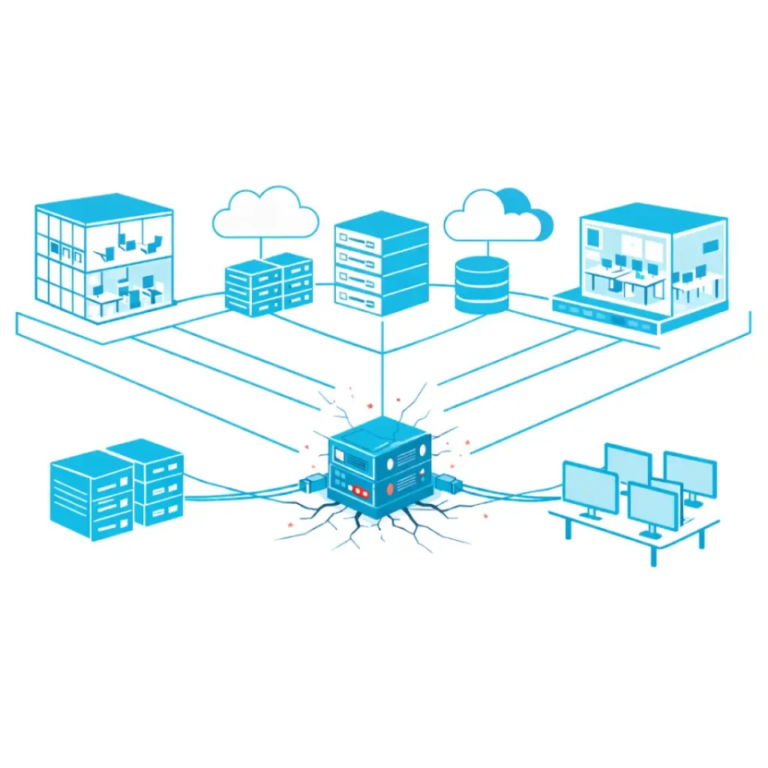
For a few critical hours, the cloud went dark. Amazon Web Services — the global powerhouse behind countless business applications — experienced a widespread outage. The effect was immediate and severe.
Booking systems stopped working. Banking portals froze. Smart devices lost their connections. Even customer support centres powered by AWS went offline. It was a stark reminder that in the digital age, no business is immune to downtime.
This incident highlighted one thing above all: the importance of building a resilient IT infrastructure that can survive even when the most trusted providers fail.
Because when one platform fails, the ripple effect can hit your operations, your customers, and your reputation — all at once.
The Risk of Over-Reliance on a Single Cloud Provider
AWS is used by millions of companies because it’s fast, scalable, and usually reliable — until it isn’t. Most businesses affected by the outage had one thing in common: over-reliance.
They depended entirely on AWS for hosting, data storage, and applications. So when AWS went offline, so did they. No backups. No secondary systems. No plan B.
It’s a dangerous position to be in, but one that’s all too common. Every business has its own “AWS” — that single system, person, or supplier it leans on too heavily.
The problem isn’t dependence itself — it’s the lack of resilience built around that dependence. Without contingency plans, even a short outage can cause a major breakdown.
To avoid this, businesses need to rethink their IT strategies and start building systems that can bend, not break.
Building a Resilient IT Infrastructure That Can Withstand Anything
A truly resilient IT infrastructure isn’t just about having the latest technology — it’s about foresight, planning, and redundancy. Let’s break that down.
Redundancy: The Safety Net for Modern Business
Redundancy means having backups in place for your most critical systems. Think of it as a safety net for your operations.
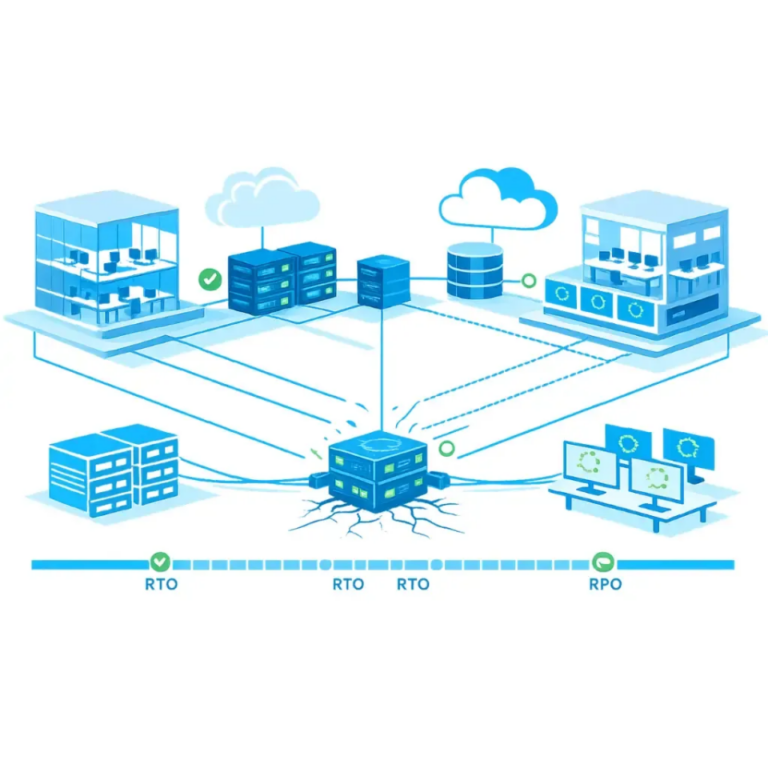
If your main system fails, your secondary one steps in automatically. This could be in the form of backup servers, replicated databases, or secondary DNS routing.
For example, if your website or CRM is hosted in one cloud region, setting up replication in another ensures minimal downtime during an outage.
Redundancy doesn’t remove the risk of failure, but it transforms a complete shutdown into a manageable hiccup — the difference between a blip and a business crisis.
Diversification and Multi-Cloud Strategies
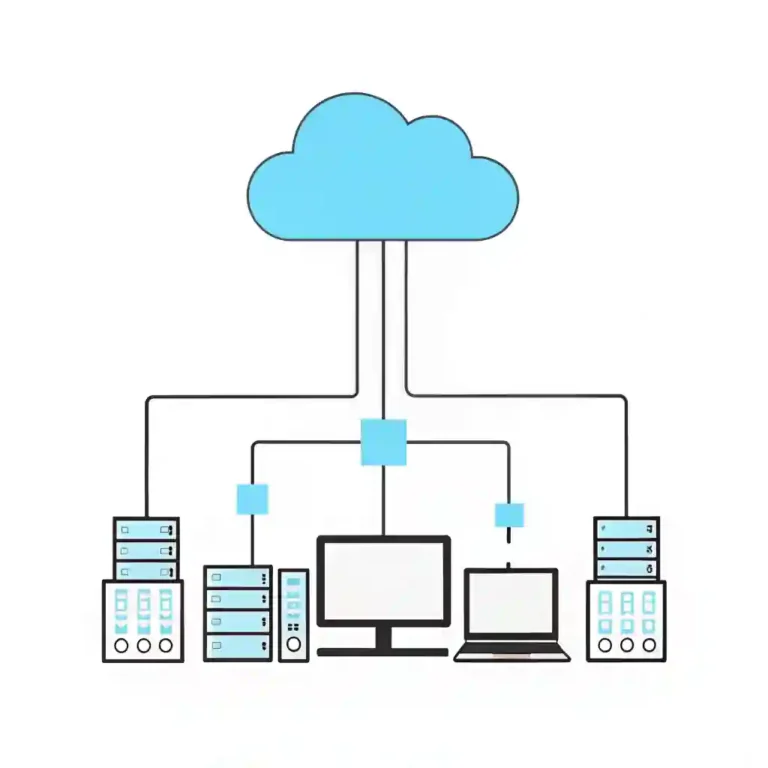
One of the best ways to achieve resilient IT infrastructure is through diversification — spreading your operations across multiple cloud providers or platforms.
This approach, often called a multi-cloud strategy, ensures that if one provider (like AWS) goes down, your systems can continue running on another.
It also provides flexibility in pricing, performance, and compliance, especially for SMEs that need agility without losing control.
A multi-cloud model isn’t just for large enterprises anymore — it’s an accessible, scalable approach that every business can benefit from.
For further reading, see cloud backup and recovery solutions.
The Role of On-Premises and Hybrid Systems
While the cloud offers scalability and convenience, keeping everything online isn’t always the smartest move.
Hybrid systems — where part of your IT setup remains on-premises while other elements live in the cloud — offer an ideal balance.
They give you more control, reduce dependency on third-party platforms, and ensure critical functions stay local if the internet connection fails.
For example, businesses using hybrid VoIP systems can maintain internal calling even if cloud connectivity drops. This flexibility is a key component of a resilient IT infrastructure.
Culture of Resilience: Beyond Technology
Technology alone won’t make your business resilient — people and culture play an equal part.
When systems crash, teams need to adapt quickly, communicate clearly, and make decisions under pressure.
That mindset doesn’t happen by accident. It comes from leadership fostering preparedness and confidence.
At Qual Limited, we believe resilience starts with proactive thinking — identifying potential points of failure and planning for them before they happen.
Because when everyone understands the plan, chaos turns into calm.
Control What You Can Control
Outages, cyber incidents, and unexpected breakdowns are inevitable. You can’t prevent every disruption, but you can prepare for them.
The key is to control what you can control:
- Audit your systems regularly.
- Identify single points of failure.
- Invest in backup and disaster recovery solutions.
- Train your team to act swiftly and confidently when issues arise.
Resilience isn’t luck — it’s leadership. It’s about designing systems and mindsets that can recover fast, no matter what happens.
How Qual Limited Helps Businesses Build Resilient IT Infrastructure
At Qual Limited, we’ve spent over 30 years helping UK businesses harness technology that works — and keeps working.
We specialise in creating resilient IT infrastructures that combine cloud flexibility with local reliability.
From managed IT services and hybrid environments to backup, cybersecurity, and disaster recovery, we design solutions that protect your business from unexpected downtime.
Whether you’re running Microsoft 365, Azure workloads, or hybrid systems, our team ensures you always have a plan B — and a plan C.
To explore your options, [see: managed IT services].
When you work with Qual Limited, you’re not just buying IT support — you’re investing in peace of mind.
The Real Takeaway: Prepare for “When,” Not “If”
The AWS outage wasn’t just a technical issue — it was a global wake-up call. Even the most sophisticated systems can fail, and often without warning.
The lesson? Don’t wait until something goes wrong to find out how fragile your setup really is.
Start building resilience now. Audit your systems, implement redundancy, and rethink your dependency strategy.
Because resilient IT infrastructure isn’t about preventing every fall — it’s about how fast you can get back up.
Book a Free Consultation Today
Don’t wait for the next outage to test your business resilience.
Book your free consultation with Qual Limited and let your Account Manager help you strengthen your IT systems today.
FAQs: Understanding Resilient IT Infrastructure
What does “resilient IT infrastructure” mean?
It refers to an IT setup designed to withstand disruptions like outages, cyberattacks, or hardware failures — keeping your systems online and operational.
How does resilient IT infrastructure protect my business during outages?
By having backups, redundancy, and failover systems in place, you minimise downtime and maintain continuity even when one part of your system fails.
Is building resilient IT infrastructure expensive?
Not necessarily. Many resilience measures — like hybrid cloud setups or automated backups — are affordable and scalable for SMEs.
What are the key elements of resilient IT infrastructure?
Redundancy, diversification, hybrid solutions, real-time monitoring, and a culture of preparedness all play vital roles.
How can Qual Limited help improve my IT resilience strategy?
We design, implement, and manage end-to-end resilience plans for UK businesses, combining best-in-class tools with proactive monitoring and expert consultancy.
Related Guidance From Our IT Experts
Explore practical guidance on security risks, Microsoft licensing changes, and IT infrastructure challenges facing UK organisations.
👉 Windows 10 security risks after end of support
👉 Understanding VMware’s new licensing rules
👉 Best XDR solutions for UK organisations
👉 Protecting education data against loss
👉 Microsoft Entra ID for education
Rik Page
Sales & Operations Director
Let me guide you
We are Experts working with top vendors like Lenovo, Microsoft, Go-To & so much more. We can help with anything!
- No obligation
- No Haggling
- Trusted support
- Written by Dean Bent