
- Written by Dean Bent
Introduction – Why Businesses Are Re-evaluating the Cloud
The cloud changed everything. It transformed how businesses store data, deploy applications, and scale services. For years, “move to the cloud” became the golden rule of modern IT strategy.
But now, the conversation is shifting. Many organisations are starting to rethink that rule. Some workloads that once seemed ideal for the cloud no longer make financial or operational sense to keep there. That’s where repatriating from cloud environments comes into play.
Rather than signalling failure, this move represents maturity — a smarter, more informed approach to how and where businesses run their critical systems.

Carlton Alfred
Head of Infrastructure and Transformation Services
We are Experts working with top vendors like Lenovo, Microsoft, Go-To & so much more. We can help with anything!
- No obligation
- No Haggling
- Trusted support
The Meaning Behind Repatriating from Cloud Environments
Let’s clear up what “cloud repatriation” really means.
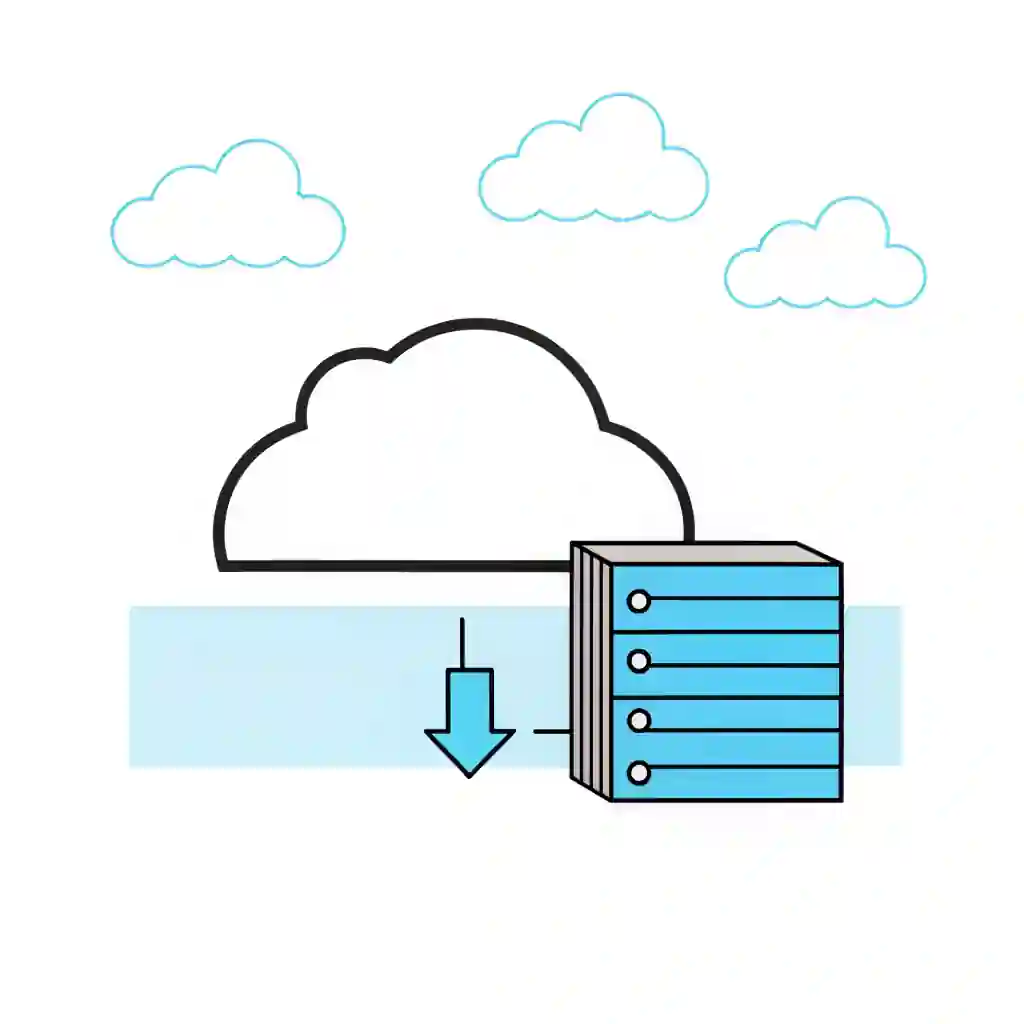
It’s not about rejecting the cloud. It’s about relocating certain workloads or data from a public cloud back to an on-premise, private cloud, or hybrid environment. The goal isn’t to undo progress but to optimise performance, control costs, and improve governance.
For example, some businesses discover that hosting large, data-heavy workloads in the cloud becomes more expensive over time. Others realise that latency-sensitive applications simply run better on local infrastructure.
In short, repatriating from cloud environments is about making your technology fit your business — not the other way around.
The Strategic Drivers Behind Cloud Repatriation
So, why are so many organisations considering this move now?
There’s no single reason. Instead, it’s a combination of operational insight, cost control, and the need for resilience. Common drivers include:
- Predictable Costs: Public cloud expenses can quickly spiral with data egress fees and on-demand scaling. Repatriation allows businesses to regain cost certainty.
- Performance and Reliability: On-premise or private infrastructure can offer lower latency and greater stability for certain workloads.
- Security and Compliance: Storing data locally can simplify data sovereignty and regulatory obligations.
- Operational Control: Businesses gain deeper visibility into performance, configurations, and maintenance cycles.
- Vendor Independence: Repatriation helps prevent vendor lock-in and provides more flexibility in how services are managed.
When viewed strategically, repatriating from cloud environments becomes a way to strengthen IT posture — not weaken it.
Myths About Cloud Repatriation Debunked
There’s still a lot of confusion about what this process actually means. Let’s dispel a few common myths:
- “It’s giving up on innovation.”
Not at all. It’s about fine-tuning infrastructure based on experience and real-world performance. Many innovators are more agile after repatriating select workloads. - “It’s only for large enterprises.”
SMEs are embracing repatriation too — especially those seeking tighter control over operational costs and compliance. - “It’s too expensive to move back.”
When done strategically, the transition can save money by reducing unnecessary resource consumption and subscription fees. - “Once you’re in the cloud, you have to stay there.”
Flexibility is key. Smart businesses now see IT environments as dynamic — shifting workloads between cloud and on-prem as needs evolve.
How to Determine If Repatriating from Cloud Environments Is Right for You
This isn’t a decision to rush. Repatriation should always be data-driven and based on business value, not instinct.
To help evaluate whether this approach fits your organisation, consider the following:
- Assess Your Cloud Usage and Cost Data:
Review your monthly spending versus actual utilisation. Are you paying for idle capacity or over-provisioned resources? - Evaluate Workload Sensitivity:
Some workloads, such as those requiring ultra-low latency or data privacy, may benefit from being on-premise. - Check Compliance Requirements:
Data sovereignty laws and industry regulations might make certain workloads better suited to local environments. - Review Application Architecture:
Applications built natively for cloud scaling behave differently than legacy systems migrated without optimisation. - Engage Expert Support:
A managed service provider like Qual Limited can perform a detailed assessment and roadmap for optimising workloads.
👉 Learn more about how we support this at our Cloud Services
Building a Balanced Hybrid IT Approach
Here’s the key point many overlook — repatriating from cloud environments doesn’t mean walking away from cloud computing.
In reality, most organisations end up with a hybrid IT strategy — blending the agility of the cloud with the performance and predictability of on-prem infrastructure.
Hybrid environments enable businesses to:
- Keep mission-critical systems local for control and compliance.
- Leverage the cloud for collaboration, scalability, and innovation.
- Move workloads dynamically based on demand and cost efficiency.
This approach offers the best of both worlds — enabling flexibility without losing governance or performance.
Ultimately, the smartest IT leaders aren’t choosing between cloud or on-prem — they’re choosing what’s right for each workload.
Conclusion – Making Smart IT Decisions That Fit Your Business
Repatriating from cloud environments isn’t a backward move — it’s a mature, forward-thinking strategy.
It’s about finding balance, improving cost control, and aligning infrastructure with long-term goals. For businesses seeking stability and smarter resource management, repatriation can be a vital part of modern IT strategy.
If your organisation is exploring this journey, Qual Limited is here to help assess your environment and guide your next steps with confidence.
Continue Reading: IT Risk & Support Strategy
Understanding operational risk, IT resilience, and structured technology management is essential for organisations reviewing their IT strategy. These guides explore the most common risks businesses face when managing infrastructure and selecting the right IT support approach.
Reactive IT Management Risks
Learn how reactive IT environments introduce hidden operational risks that can lead to downtime, security exposure, and unstable systems.
Single Point of Failure in IT: The Hidden Risk That Breaks Businesses
Discover how single points of failure develop inside IT environments and how resilient infrastructure planning removes them.
Immutable Backup: The Last Line of Defence in Your IT Resilience Strategy
Understand why immutable backup is now considered one of the most important defences against ransomware and data loss.
Business Continuity vs Disaster Recovery: RTO, RPO and Real-World IT Planning
Explore how continuity planning and disaster recovery strategies work together to protect organisations from operational disruption.
Evaluating Your IT Support Model
If your organisation is reviewing its IT support structure or considering changing providers, these guides explain what businesses should evaluate before committing to a new support agreement.
Signs Businesses Have Outgrown IT Support
Identify the warning signs that your current IT support model may no longer support the growth or operational requirements of your business.
Managed IT Services vs Break-Fix Support
Compare proactive managed IT services with traditional reactive support models and understand which approach provides greater stability and long-term value.
How to Choose a Risk-Led IT Support Provider in the UK
A practical guide explaining what businesses should evaluate when selecting an IT support partner focused on risk reduction and operational stability.
Assess Your Current IT Risk Exposure
Before committing to new infrastructure or a new IT support provider, you can also:
Complete the IT Governance & Risk Snapshot to identify operational risk gaps.
Use the IT Quote Comparison Tool to validate supplier pricing and review IT proposals.
Carlton Alfred
Head of Infrastructure and Transformation Services
We are Experts working with top vendors like Lenovo, Microsoft, Go-To & so much more. We can help with anything!
- No obligation
- No Haggling
- Trusted support
- Written by Dean Bent