
- Written by IT Support Team
Introduction
Many high-profile cyber incidents do not begin with sophisticated attacks or zero-day exploits. Instead, they originate from vulnerabilities that were already known — weaknesses that could have been addressed through routine updates. When patching processes are inconsistent or poorly governed, small gaps in system maintenance can quickly escalate into serious operational and security threats. For modern organisations dependent on stable digital infrastructure, effective patch management is no longer optional; it is fundamental to resilience.
What Is Patch Management?
Patch management is the structured process of identifying, testing and deploying software updates across an organisation’s IT environment. These updates, often released by vendors to fix vulnerabilities or improve performance, are designed to maintain system stability and security.
In theory, patching sounds straightforward. Vendors release updates, organisations apply them, vulnerabilities are resolved. In practice, however, patch management involves coordination across servers, endpoints, applications and sometimes legacy systems. When this coordination breaks down, patch management failures begin to emerge.
Effective patch governance requires visibility, planning and accountability. Without these elements, updates may be missed, delayed or applied inconsistently — creating uneven security posture across the infrastructure.
Why Patch Management Failures Happen
Patch management failures rarely occur because organisations are unaware of updates. They happen because patching is often treated as a background technical task rather than a strategic risk control.
Common underlying causes include limited asset visibility, where businesses lack a clear inventory of all systems requiring updates. Without full awareness of devices, applications and software versions in use, it becomes impossible to guarantee consistent patch deployment.
Another contributing factor is resource pressure. IT teams balancing support demands may postpone updates to avoid potential disruption. This cautious delay, while understandable, extends vulnerability windows and increases exposure.
Fear of compatibility issues also plays a role. In some environments, updates are avoided due to concerns that they may disrupt business-critical systems. Ironically, this attempt to maintain stability can lead to greater instability later.
When these factors combine, patch management failures become systemic rather than isolated.
The Link Between Unpatched Systems and Cyber Attacks
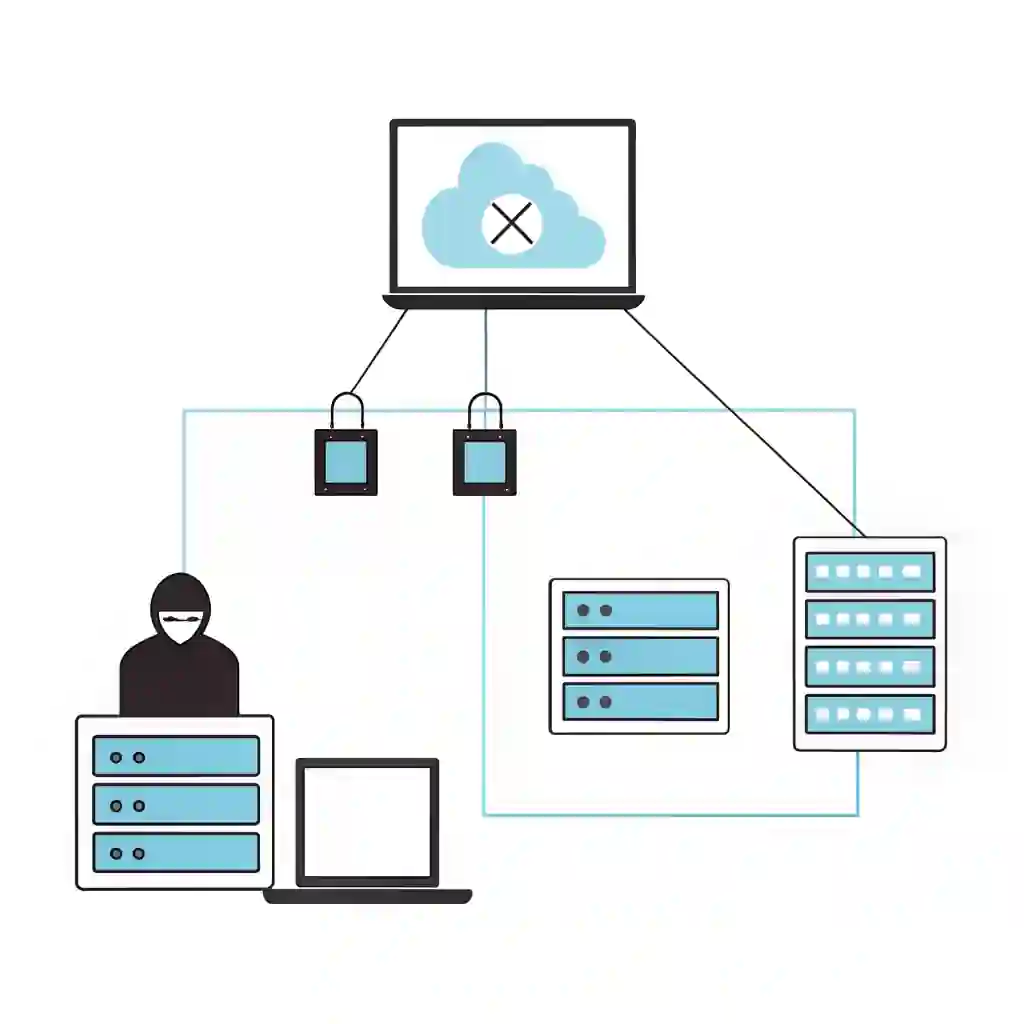
Cyber attackers routinely scan networks for known vulnerabilities. When software vendors publish security advisories, attackers often move quickly to exploit systems that have not yet been updated.
Unpatched systems provide predictable entry points. In many ransomware cases, the vulnerability exploited had been publicly disclosed weeks or even months earlier.
The connection between patch management failures and security incidents is therefore direct. Attackers rarely need sophisticated techniques when known weaknesses remain unaddressed.
For organisations managing wider IT operational risk, patch governance becomes a central defensive control rather than a routine administrative task.
Operational Disruption Caused by Poor Patching
Not all patch-related issues result in data breaches. Some lead to operational disruption instead.
Inconsistent patching can cause compatibility conflicts between applications and operating systems. In some cases, partially deployed updates create instability that affects performance.
Operational disruption linked to poor patch governance often contributes to the broader cost of IT downtime UK.
Repeated outages erode user confidence and reduce productivity. Even short interruptions can cascade into delayed projects and missed deadlines.
When patching is reactive rather than structured, the risk of disruption increases significantly.
Compliance and Regulatory Consequences
Regulatory frameworks increasingly expect organisations to maintain reasonable security controls, including timely patching of known vulnerabilities.
Failure to apply critical updates can be interpreted as negligence in the event of a data breach. Regulatory investigations may examine patch timelines to determine whether vulnerabilities were left exposed unnecessarily.
Insurance providers also consider patch compliance when assessing cyber risk. Documented patch management failures may affect coverage terms or claims outcomes.
In this context, patch governance becomes part of broader corporate accountability rather than purely technical maintenance.
The False Sense of Security Around Automatic Updates
Many businesses assume automatic updates are sufficient to manage patch risk. While automation helps, it does not guarantee complete coverage.
Servers are often excluded from automatic update policies to avoid disruption. Third-party applications may require separate update mechanisms. Legacy systems may no longer receive vendor support at all.
When organisations rely solely on automation without monitoring and verification, patch management failures can occur silently.
Structured oversight ensures that updates are not only deployed but also confirmed and documented.
Why Patch Management Is Often Treated as Reactive
Patching is frequently triggered by incidents rather than planned schedules. After a breach or outage, organisations rush to update systems, only to revert to reactive habits once the immediate crisis passes.
This reactive cycle mirrors broader reactive IT management risks.
True risk reduction requires embedding patch governance into regular operational processes rather than responding only after vulnerabilities are exploited.
The Hidden Business Risks of Delayed Updates
Delaying patches does not merely postpone risk; it increases it.
As vulnerabilities accumulate, the attack surface expands. Each additional unpatched weakness compounds exposure.
Delayed updates also increase remediation complexity. Applying multiple overdue patches simultaneously can introduce compatibility challenges that might have been avoided through incremental maintenance.
Patch management failures therefore create compounding operational and security debt.
Patch Failures and Technical Debt
Technical debt accumulates when short-term convenience outweighs long-term stability.
Postponed updates, unsupported software and inconsistent patch cycles gradually increase fragility within the infrastructure. Systems become harder to maintain, more difficult to secure and increasingly vulnerable to disruption.
Over time, technical debt magnifies the consequences of patch management failures. What begins as a minor delay may evolve into systemic instability.
Building a Structured Patch Management Strategy
Reducing patch management failures requires a formalised strategy rather than informal processes.
This begins with maintaining a comprehensive asset inventory that includes all devices, servers and applications. Without visibility, governance cannot function effectively.
Next, organisations must prioritise updates based on risk severity. Critical security patches require accelerated deployment, while lower-risk updates may follow scheduled cycles.
Testing environments are essential for minimising disruption. Structured testing allows organisations to validate compatibility before broad deployment.
Clear accountability also plays a role. Responsibility for patch oversight should be defined, monitored and reported.
This is where IT risk management for business becomes important, because patching should be treated as a governed control with ownership, reporting and review, not just a background technical task.
Monitoring, Reporting and Accountability
Patch governance must include measurable oversight. Organisations should track patch compliance rates, vulnerability exposure timelines and remediation speed.
Reporting should provide visibility to leadership teams, not remain confined within technical departments.
Businesses measuring performance through. IT support KPIs explained often incorporate patch compliance metrics into regular review cycles.
Transparency strengthens accountability and reduces the likelihood of systemic patch management failures.
Reducing Risk Through Proactive Governance
Preventing patch management failures ultimately depends on culture and governance.
When patching is viewed as a strategic risk control rather than a background task, consistency improves. Leadership involvement ensures accountability. Structured reporting reinforces discipline.
Organisations seeking structured preventative oversight often review Managed IT Services to improve patch governance, monitoring, reporting and long-term operational stability.
Reducing vulnerability exposure is not about reacting to threats, it is about building stable systems supported by structured IT resilience planning and long-term governance.
Conclusion
Patch management failures remain one of the most common and preventable causes of major security incidents. Delayed updates, inconsistent governance and limited visibility combine to create avoidable exposure.
By implementing structured oversight, prioritisation and reporting processes, organisations can significantly reduce operational disruption and security risk. Effective patch governance transforms routine maintenance into a foundational element of long-term resilience.
FAQs
What causes patch management failures?
Why are unpatched systems dangerous?
Can poor patching cause downtime?
Is patch management part of cybersecurity?
How often should patches be applied?