- Written by IT Support Team
Introduction
Technology now underpins nearly every operational process within modern organisations. From cloud platforms and collaboration tools to financial systems and customer databases, businesses depend heavily on stable and secure IT infrastructure. Yet many organisations manage technology reactively, addressing issues only after disruption occurs. Without a structured approach to identifying and mitigating risk, seemingly minor vulnerabilities can quietly grow into serious operational and financial threats.
What Is IT Risk Management?
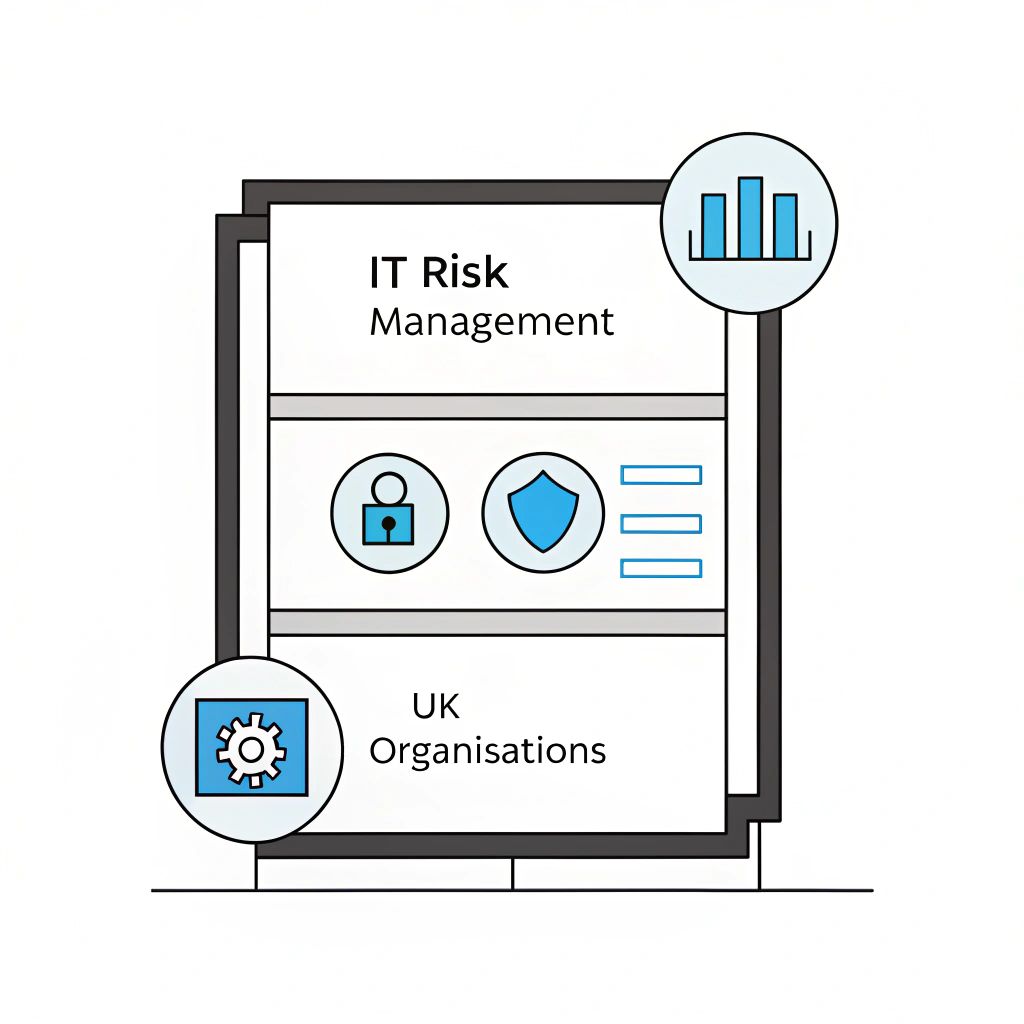
At its core, IT risk management for business involves identifying potential threats to technology systems, evaluating their likelihood and impact, and implementing controls to reduce exposure.
It is not simply about cybersecurity. IT risk includes:
- System instability
- Downtime
- Vendor dependency
- Data loss
- Compliance failure
- Infrastructure ageing
Unlike reactive troubleshooting, IT risk management is proactive. It focuses on prevention rather than recovery.
For UK organisations operating in competitive and regulated environments, this structured approach protects both operational continuity and long-term credibility.
Why IT Risk Has Become a Board-Level Issue
Historically, IT risk was considered a technical matter handled by internal IT teams. Today, it is a strategic business concern.
Several factors have elevated its importance:
- Increased reliance on cloud platforms
- Heightened regulatory scrutiny
- Cybersecurity threats
- Remote and hybrid working models
- Digital transformation initiatives
When systems fail or data is compromised, the consequences extend far beyond the IT department.
Effective IT risk management for business ensures leaders understand technology exposure in the same way they assess financial or operational risk.
The Types of IT Risk Businesses Face
Modern organisations encounter multiple overlapping risk categories.
Understanding these categories is essential for structured oversight.
Operational Risk
Operational IT risk relates to system availability and performance.
Common examples include:
- Network outages
- Server failures
- Application crashes
- Connectivity disruption
These issues often form part of wider IT operational risk, where downtime, unstable systems, poor visibility and weak controls can disrupt everyday business activity.
Without proper oversight, recurring downtime becomes symptomatic of broader infrastructure weaknesses.
Cybersecurity Risk
Cyber risk remains one of the most visible forms of IT exposure.
Threats include:
- Ransomware
- Phishing attacks
- Insider threats
- Data breaches
However, cybersecurity risk is only one component of broader IT risk management for business.
Security controls must integrate with operational and compliance frameworks.
Compliance and Regulatory Risk
UK organisations must adhere to data protection laws, industry standards and contractual obligations.
Technology failures can result in:
- Missed reporting deadlines
- Inaccessible records
- SLA breaches
Proactive governance reduces regulatory exposure and audit pressure.
Infrastructure and Lifecycle Risk
Aging hardware, unsupported software and poor lifecycle planning introduce hidden risk.
Technical debt accumulates gradually.
Without structured review, infrastructure instability increases over time, raising both downtime likelihood and security vulnerability.
The Cost of Ignoring IT Risk
Failing to implement structured IT risk management for business creates compounding exposure.
Consequences may include:
- Escalating support costs
- Reputational damage
- Lost customer confidence
- Increased insurance premiums
- Emergency remediation expenses
Recurring disruption is often linked to reactive IT management risks.
Prevention is almost always more cost-effective than crisis response.
How IT Risk Management Differs from IT Support
This distinction is critical.
IT support addresses issues once they occur.
IT risk management identifies weaknesses before they lead to disruption.
For example:
Support focus: “Fix the outage.”
Risk management focus: “Why did the outage occur, and how do we prevent recurrence?”
Effective IT risk management for business works alongside support models but operates at a higher strategic level.
The Core Components of an IT Risk Framework
A structured framework typically includes four stages:
- Risk identification
- Risk evaluation
- Risk mitigation
- Monitoring and review
These components ensure risk management becomes continuous rather than reactive.
Risk Assessment and Identification
The first step involves identifying assets and vulnerabilities.
This may include:
- Infrastructure audits
- Asset inventories
- Vulnerability scans
- Access control reviews
Without clear visibility, organisations cannot accurately assess exposure.
Structured IT risk management for business ensures assets are documented and prioritised.
Risk Mitigation and Control
Once risks are identified, controls must be implemented.
Examples include:
- Patch management programmes
- Backup strategies
- Multi-factor authentication
- Redundancy planning
- Capacity forecasting
A common example is patch management failures, where delayed updates or unclear ownership increase both security exposure and operational instability.
Risk mitigation reduces incident probability and impact.
Organisations tracking performance through IT support KPIs explained often identify measurable improvement when preventative controls are implemented.
Monitoring and Continuous Improvement
Risk management is not static.
Infrastructure evolves. Threat landscapes change. Business operations expand.
Continuous monitoring ensures that:
- Emerging risks are identified early
- Controls remain effective
- Infrastructure scales appropriately
Effective IT risk management for business therefore integrates ongoing reporting and strategic review.
Linking IT Risk to Business Strategy
Technology risk should align with broader business objectives.
For example:
- Expansion into new markets
- Adoption of cloud platforms
- Regulatory certification
- Mergers and acquisitions
Without structured oversight, strategic growth initiatives may unintentionally increase exposure.
Organisations seeking structured, preventative oversight often review a wider Managed IT Services model to improve monitoring, risk visibility, lifecycle planning and long-term operational stability.
Risk management is not about limiting growth — it is about enabling safe growth.
Conclusion
IT risk management for business is no longer optional for UK organisations operating in digitally dependent environments. From operational disruption and cybersecurity threats to compliance exposure and infrastructure instability, unmanaged IT risk can quietly undermine performance.
By implementing structured identification, mitigation and monitoring processes, businesses can reduce disruption, protect reputation and support long-term growth. When technology risk is treated strategically rather than reactively, IT transforms from a vulnerability into a competitive advantage.
FAQs About IT Backup Best Practices
Is Microsoft 365 a backup?
How often should we test backups?
What’s the difference between backup and disaster recovery?
Do SMEs really need immutable backups?